Books, videos, and music - all free from your public library!
LoginSign Up

Footer

Hoopla logo, Go to homepage
  • For Patrons
  • For Libraries (opens in new window)
  • For Vendors (opens in new window)
  • Facebook (opens in new window)
  • X (opens in new window)
  • Instagram (opens in new window)
  • YouTube (opens in new window)
  • TikTok (opens in new window)
  • LinkedIn (opens in new window)

Our Company

  • Our Story
  • Get Hoopla for your Library (opens in new window)
  • Get your content on hoopla (opens in new window)
  • Join our team (opens in new window)
  • Accessibility Statement

Our Content

  • Audiobooks
  • Ebooks
  • Movies
  • Television
  • Comics
  • BingePasses
  • Music
  • The Loop Blog

Help

  • Help Center
  • Submit Feedback
  • Facebook (opens in new window)
  • X (opens in new window)
  • Instagram (opens in new window)
  • YouTube (opens in new window)
  • TikTok (opens in new window)
  • LinkedIn (opens in new window)
  • Download on the App Store (opens in new window)
  • Get it on Google Play (opens in new window)
  • Available at Amazon Appstore (opens in new window)
© 2026 Midwest Tape, LLC. All rights reserved. Privacy Policy | Terms of Use
  • Hoopla logo
  • Browse
  • My Hoopla
  • Log In
  1. Navigate Home
  2. Ebooks
  3. The Slave's Little Friends

EBOOK

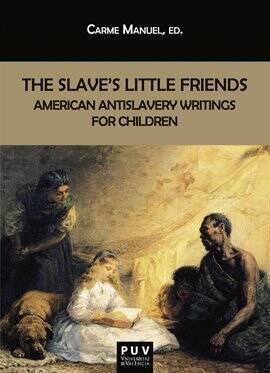
The Slave's Little Friends

American Antislavery Writings for Children

Various AuthorsSeries: Biblioteca Javier Coy d'estudis Nord-Americans (English)
(0)
sign up
Year
2022
Language
English
Publisher
Publicacions de la Universitat de València

About

The texts included in this anthology illustrate the wide range of possibilities that abolitionist writings offered to American children during the first half of the nineteenth century. Composing their works under the wings of the antislavery movement, authors responded to the unequal and controversial development of abolitionist politics during the decades that led up to the outbreak of the Civil War. These writers struggled to teach children "to feel right," and attempted to instruct them to actively respond to the injustice of the slavery system as rendered visible by a harrowing visual archive of suffering bodies compiled by both English and American antislavery promoters.
Reading was equated with knowledge and knowledge was equated with moral responsibility, and therefore reading about "the abominations of slavery" became an act of emotional personal transformation. Children were thus turned into powerful agents of political change and potential activists to spread the abolitionist message. Invited to comply with a higher law that entailed the breaking of their nation's edicts, they were morally rewarded by the Christian God and approvingly applauded by their elders for their violation of these same American regulations. These texts enclosed immeasurable value for young nineteenth-century Americans to fulfill a more democratic and egalitarian role in their future. Undoubtedly, abolitionist writings for children took away American children's innocence and transformed them into juvenile abolitionists and empowered compassionate citizens.
Related Subjects

  • African American & Black
  • Literary Collections
  • Adult Nonfiction

Extended Details

  • SeriesBiblioteca Javier Coy d'estudis Nord-Americans (English)

    Artists

    Various AuthorsAuthor