EBOOK
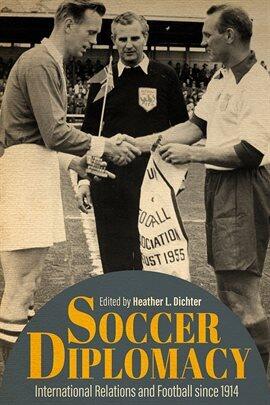
Soccer Diplomacy
International Relations and Football since 1914
Various AuthorsSeries: Studies in Conflict, Diplomacy, and Peace(0)
About
Although the game of soccer is known by many names around the world - football, fútbol, Fußball, voetbal - the sport is a universal language. Throughout the past century, governments have used soccer to further their diplomatic aims through a range of actions including boycotts, carefully orchestrated displays at matches, and more. In turn, soccer organizations have leveraged their power over membership and tournament decisions to play a role in international relations.
In Soccer Diplomacy, an international group of experts analyzes the relationship between soccer and diplomacy. Together, they investigate topics such as the use of soccer as a tool of nation-state-based diplomacy, soccer as a non-state actor, and the relationship between soccer and diplomatic actors in subnational, national, and transnational contexts. They also examine the sport as a conduit for representation, communication, and negotiation.
Drawing on a wealth of historical examples, the contributors demonstrate that governments must frequently address soccer as part of their diplomatic affairs. They argue that this single sport - more than the Olympics, other regional multisport competitions, or even any other sport - reveals much about international relations, how states attempt to influence foreign views, and regional power dynamics.
Related Subjects
Reviews
"Soccer Diplomacy provides instructive historical and contemporary case studies on soccer's use by both state and non-state actors to achieve diplomatic ends. It challenges the popular axiom that 'sport and politics don't mix,' and asks readers to consider the place of seemingly innocuous sporting and cultural activities within a broader strategic framework."
Matthew McDowell, author of A Cultural History of Association Football in Scotland, 1865-1
"Soccer is about much more than athleticism and entertainment; it is a powerful part of modern world politics. Soccer Diplomacy connects the most popular global sport with the main vectors of global diplomacy, including cultural promotion, economic development, strategic alliances, and military rivalries. The authors show the variation of uses for the sport by leaders, activists, and promoters. Re
Jeremi Suri, author of The Impossible Presidency: The Rise and Fall of America's Highest O