Books, videos, and music - all free from your public library!
LoginSign Up

Footer

Hoopla logo, Go to homepage
  • For Patrons
  • For Libraries (opens in new window)
  • For Vendors (opens in new window)
  • Facebook (opens in new window)
  • X (opens in new window)
  • Instagram (opens in new window)
  • YouTube (opens in new window)
  • TikTok (opens in new window)
  • LinkedIn (opens in new window)

Our Company

  • Our Story
  • Get Hoopla for your Library (opens in new window)
  • Get your content on hoopla (opens in new window)
  • Join our team (opens in new window)
  • Accessibility Statement

Our Content

  • Audiobooks
  • Ebooks
  • Movies
  • Television
  • Comics
  • BingePasses
  • Music
  • The Loop Blog

Help

  • Help Center
  • Submit Feedback
  • Facebook (opens in new window)
  • X (opens in new window)
  • Instagram (opens in new window)
  • YouTube (opens in new window)
  • TikTok (opens in new window)
  • LinkedIn (opens in new window)
  • Download on the App Store (opens in new window)
  • Get it on Google Play (opens in new window)
  • Available at Amazon Appstore (opens in new window)
© 2026 Midwest Tape, LLC. All rights reserved. Privacy Policy | Terms of Use
  • Hoopla logo
  • Browse
  • My Hoopla
  • Log In
  1. Navigate Home
  2. Ebooks
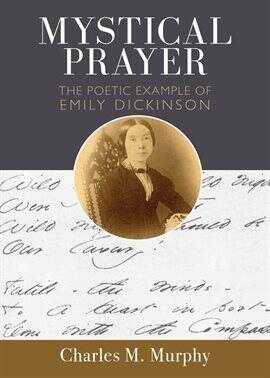
  3. Mystical Prayer

EBOOK

Mystical Prayer

The Poetic Example of Emily Dickinson

Charles M. Murphy
(0)
sign up
Pages
128
Year
2019
Language
English
Publisher
Liturgical Press

About

In this book, Charles Murphy explores the still unfolding rediscovery of Emily Dickinson (1830–1886), our foremost American poet, as a mystic of profound depth and ambition. She declined publication of almost all of her hundreds of poems during her lifetime, describing them as a record of her wrestling with God, who, in the Puritan religious tradition she received, she found cold and remote. Murphy places Dickinson's writings within the Christian mystical tradition exemplified by St. Teresa of Avila and identifies her poems as expressions of what he terms theologically as "believing unbelief." Dickinson's experiences of love and her confrontation with human mortality drove her poetic insights and led to her discovery of God in the beauty and mystery of the natural world.

Related Subjects

  • Prayer
  • Religion
  • Adult Nonfiction
  • Mysticism
  • Religious
  • Subjects & Themes
  • Poetry

Artists

Charles M. MurphyAuthor