EBOOK
About
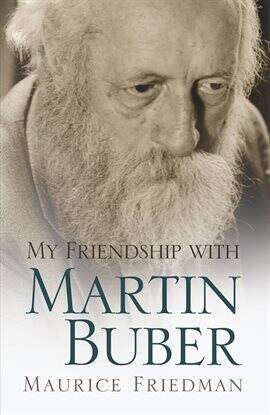
Martin Buber's philosophy of dialogue sought to express the human experience through the ways in which we encounter and interact with others. His "I-Thou" theory of dialogue and "I-It" theory of monologue expressed ways of understanding one's place in the world in relation to others, objects, and especially God. Buber died in 1965, leaving behind a vast library of writings and ardent students and scholars eager to engage with his ideas. One of these scholars is Maurice Friedman. This text considers the professional relationship Friedman had with Martin Buber and presents it as one based on translating, interpreting, and intellectual curiosity. Beginning in the summer of 1950 and ending with Buber's death, the book takes the reader through Buber's three visits to America, his wife's death, the author's stay in Jerusalem, and the articulation of Buber's culminating philosophy of the interhuman. To trace this chronology, the author draws extensively on his personal collection of letters exchanged with Buber. This is a close and meditative consideration of a deeply intellectual friendship shared between two extraordinary thinkers.