About
Soul-warming broths, soups, stews, and hot pot dinners at the heart of Korean cuisine.
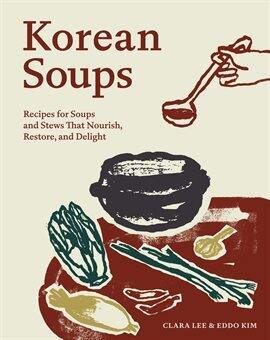
Guk, tang, jjigae, and jeongol are the soups that make up the backbone of Korean cuisine. In Korean culture, soup is eaten for nearly every meal, year-round, to nourish, heal, and also to celebrate. Using five foundational broth recipes, readers will learn to make over 50 recipes for soup, including refreshing Cold Cucumber Soup in summer or warming Mushroom and Roasted Perilla Powder Soup in winter, Spicy Braised Chicken Stew for a quick weeknight dinner, Thinly Sliced Beef Bulgogi Hot Pot for entertaining guests, and Kimchi and Soybean Sprout Soup to nourish and restore after a long week. To accompany the soups are 13 foundational side-dish recipes for rice, kimchi, and pickles. Authors Clara Lee and Eddo Kim are the owners of Queens, a brand of packaged Korean food products. Their indispensable recipes will teach anyone the soul-warming pleasure of a bowl of Korean soup.
Clara Lee is a former education-tech professional turned chef. Eddo Kim is a former education nonprofit organizer turned business owner. Together, they co-found Queens, a Korean packaged food brand using California-grown ingredients. The couple lives in San Francisco; find them online @queens_universe.
Introduction
Ingredients
• Korean Syrup (Cheong)
• Korean Chili Oil (Gochu Gireum)Cookware
Classification of Korean Soups
Build Your Broth
• Anchovy Broth (Myulchi Yooksu)
• Beef Broth (Yangji Yooksu)
• Beef Bone Broth (Sagol Yooksu)
• Rice Broth (Ssal Ddeu Mul)
• Vegetable Broth (Chaeso Yooksu)Soups for Taking Things Fast or Slow
• Egg and Cured Pollock Roe Soup (Gyeran Myeongran Guk)
• Potato Soup (Gamja Guk)
• Spinach and Clam Soup (Shigeumchi Jogae Guk)
• Fishcake and Clam Stew (Eomuk Jogae Tang)
• Cured Pollock Roe and Tofu Soup (Myeongran Dubu Guk)
• Anchovy Fermented Soybean Paste Stew (Myulchi Dwenjang Jjigae)
• Dried Anchovy and Tofu Stew (Myulchi Dubu Jjigae)
• Silken Tofu Stew (Soon Dubu Jjigae)
• Gochujang Stew (Chadol Bagi Gochujang Jjigae)
• Tinned Fish Kimchi Stew (Tong Jorim Kimchi Jjigae)
• Aged Kimchi Stew (Mukeunji Kimchi Jjigae)
• Oxtail Soup (Kkori Gomtang)
• Ox Bone Soup (Seolleongtang) Soups for the Weather and Seasons
• Shepherd's Purse Fermented Soybean Paste Stew (Naengi Dwenjang Jjigae)
• Fortified Soybean Stew (Gang Dwenjang)
• Ground Soybean Soup (Kong Guk)
• Spicy Shredded Chicken Soup (Dak Gye Jang)
• Cold Cucumber Soup (Oi Naengguk)
• Boiled Chicken and Ginseng Soup (Sam Gye Tang)
• Beef Soup (Gomtang)
• Mushroom and Roasted Perilla Powder Soup (Beoseot Deulkkae Guk)
• Korean Radish Soup (Mu Guk)
• Scallop and Roasted Perilla Powder Seaweed Soup (Galibi Deulkkae Miyeok Guk)
• Chrysanthemum and Mussel Soybean Paste Soup (Ssuk Gat Honghap Dwenjang Guk)
• Beef and Napa Cabbage Soup (Sogogi Baechu Guk)
• Dumpling Soup (Mandoo Guk) Soups That Bring Us Together
• Army Stew (Budae Jjigae)
• Spicy Braised Chicken Stew (Dak Dori Tang)
• Clear Fish Stew (Jiri Tang)
• Spicy Fish Stew (Maeun Tang)
• Spicy Crab Stew (Ggotgae Tang)
• Mixed Mushroom Hot Pot (Beoseot Jeongol)
• Tofu and Radish Soup (Dubu Tang Guk)
• Rice Cake Soup (Ddeok Guk)
• Thinly Sliced Beef Bulgogi Hot Pot (Bulgogi Jeongol)
• Spicy Shredded Beef Brisket Soup (Yuk Gye Jang)
• Soybean and Pork Bone Stew (Kong Biji Gamja Tang)
• Kimchi Dumpling Hot Pot (Kimchi Mandoo Jeongol) Soups for Restoration
• Clear Silken Tofu Stew (Malkeun Soon Dubu)
• Winter Squash and Napa Cabbage Soup (Dan Hobac Baechu Guk)
• Kimchi and Soybean Sprout Soup (Kimchi Kongnamul Guk)
• Dried Pollock Soup (Hwangtae Guk)
• Tomato and Young Fermented Soybean Stew (Tomato Cheonggukjang Jjigae)
• Brisket and Bean Fermented Soybean Stew (Chadol Kong Dwenjang