  • Hoopla logo
  • Browse
  • My Hoopla
  • Log In
Books, videos, and music - all free from your public library!
LoginSign Up

Footer

Hoopla logo, Go to homepage
  • For Patrons
  • For Libraries (opens in new window)
  • For Vendors (opens in new window)
  • Facebook (opens in new window)
  • X (opens in new window)
  • Instagram (opens in new window)
  • YouTube (opens in new window)
  • TikTok (opens in new window)
  • LinkedIn (opens in new window)

Our Company

  • Our Story
  • Get Hoopla for your Library (opens in new window)
  • Get your content on hoopla (opens in new window)
  • Join our team (opens in new window)
  • Accessibility Statement

Our Content

  • Audiobooks
  • Ebooks
  • Movies
  • Television
  • Comics
  • BingePasses
  • Music
  • The Loop Blog

Help

  • Help Center
  • Submit Feedback
  • Facebook (opens in new window)
  • X (opens in new window)
  • Instagram (opens in new window)
  • YouTube (opens in new window)
  • TikTok (opens in new window)
  • LinkedIn (opens in new window)
  • Download on the App Store (opens in new window)
  • Get it on Google Play (opens in new window)
  • Available at Amazon Appstore (opens in new window)
© 2026 Midwest Tape, LLC. All rights reserved. Privacy Policy | Terms of Use
  1. Navigate Home
  2. Ebooks
  3. Corporate Reckoning

EBOOK

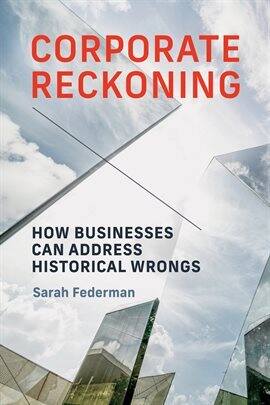
Corporate Reckoning

How Businesses Can Address Historical Wrongs

Sarah Federman
(0)
sign up
Pages
250
Year
2026
Language
English
Publisher
MIT Press

About

How corporations can address legacies of historical oppression in ways that are good for them and good for others.

Increasingly, corporate executives find themselves called upon to atone for their predecessors' moral transgressions. While many are prepared to address inherited failed product lines or dysfunctional teams, few know how to handle demands that their enterprise address legacies of mass atrocity such as slavery, genocide, or colonialism. In Corporate Reckoning, Sarah Federman provides a corporate atonement model for corporate leaders and employees across industries around the world.

When survivors and descendants demand reckoning, many corporate leaders initially shirk the responsibilities that follow from these requests. They may claim that history belongs to the historians, that their company's activities were legal at the time, or that too much time has passed. If it comes to it, courts will rule in their favor, they reassure themselves. Others avoid these issues simply because they have no idea how to address them.

Demands for reckoning ebb and flow, but these histories do not disappear. This book offers a way forward that serves companies and those affected by these historical harms. Taking responsibility for irreparable harm is not easy or comfortable. Despite its dilemmas and difficulties, the only way out is through.
Related Subjects

  • Business Ethics
  • Business & Economics
  • Adult Nonfiction
  • Corporate & Business History
  • Leadership

Artists

Sarah FedermanAuthor