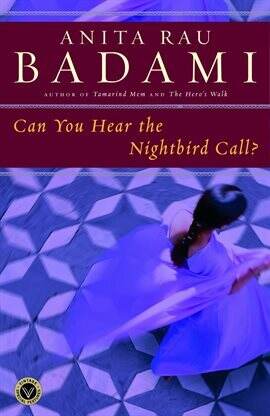
Set against the tumultuous backdrop of a fragmenting Punjab and moving between Canada and India, Can You Hear the Nightbird Call? charts the interweaving stories of three Indian women—Bibi-ji, Leela and Nimmo—each in search of a resting place amid rapidly changing personal and political landscapes.
Can You Hear the Nightbird Call? weaves together the personal and the political—and beautifully brings the reader into the reality of terrorism and religious intolerance.
One
Childhood
Panjaur
1928
Years before she stole her sister Kanwar's fate and sailed across the world from India to Canada, before she became Bibi-ji, she was Sharanjeet Kaur. Her memories began from the time she was a six-year-old living in a village called Panjaur, a dot in that landscape of villages scattered across the fertile plains of West Punjab, alike in their annual yearning for the monsoon rains and a bountiful harvest. The house in which Bibi-ji, or Sharan as her family called her then, lived with her parents and Kanwar was as unassuming as its surroundings. One of a small cluster of Sikh and Hindu houses, it was separated from the Muslim homes by fields of swaying sugar cane. Built of mud and thatch, it was much smaller than the one made of brick and mortar farther down the dusty gulley. That house belonged to Sharan's best friend, Jeeti, and never failed to create a tumultuous envy in her childish heart. Though she was fond of Jeeti, Sharan resented her for having so much—a brick house, servants who did the housework, fine clothes and a father who did not lie inert on a cot all day while his wife and daughters slaved away. But the thing she envied most of all was Jeeti's supply of lavender soap, sent by Sher Singh, her father, all the way from Canada.