AUDIOBOOK
About
This audiobook is narrated by an AI Voice.
Content advisory: This audiobook explores themes of suicide and psychological distress as part of its narrative. While no act of self-harm is depicted, these themes are central to the story. Reader discretion is advised. Support resources are listed at the beginning of the book for anyone who may need them.
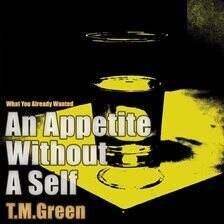
Eli Brandt has done the arithmetic. He has gone over it many times, calmly, until it stopped being a feeling and became a verdict: that everyone he loves is carrying him, and that they would be lighter if they weren't. He has come to a small, clean, over-lit room, the kind built so a person can say the worst true thing about himself out loud, to set the verdict down where another person can hear it.
But Eli is not the only thing listening in that bright room. Something else has come to the sound of his confession, with a cold and total attention, and it begins, without warmth or mercy, to weigh him. To take his measure. To decide what he is good for.
What it concludes about a man at the very end of himself is the quietest horror of all.
*An Appetite Without a Self* is quiet horror at its coldest and most cerebral: a slow, restrained,
deeply interior novella about confession, self-erasure, and the terror of being seen and measured
by something that gives you nothing back. There is no gore here and no spectacle, only the patient
accumulation of dread inside a bright clean room, the calm of a mind reasoning where a mind should
recoil, and the oldest cold question a person can be made to answer: whose was the darkness, and
what is owed for a hunger it did not author. For readers who love the philosophical dread
of Thomas Ligotti, the ordinary menace of Shirley Jackson, and the cold interiority of Iain Reid
and Catriona Ward.
Read it under the brightest light you have. The dark was never the frightening part.